LLMs Turn Every Question Into an Answer

<table><tr><td><img alt="Chain of Thought" src="https://d24ovhgu8s7341.cloudfront.net/uploads/publication/logo/59/small_chain_of_thought_logo.png" /></td><td></td><td><table><tr><td>by <a href="https:...
|
|
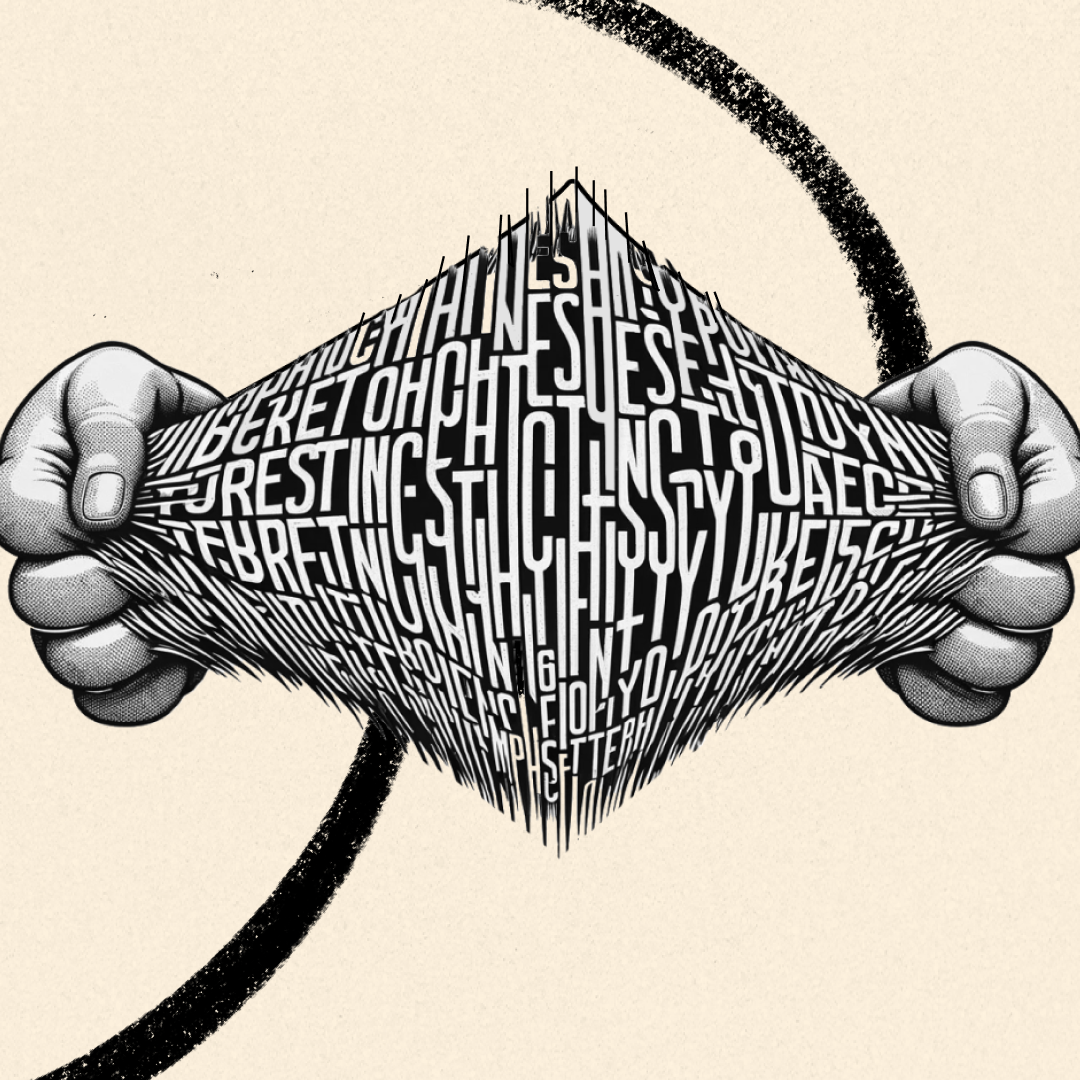
The world has changed considerably since our last ”think week” five months ago—and so has Every. We’ve added new business units, launched new products, and brought on new teammates. So we've been taking this week to come up with new ideas and products that can help us improve how we do our work and, more importantly, your experience as a member of our community. In the meantime, we’re re-upping four pieces by Dan Shipper that cover basic, powerful questions about AI. (Dan hasn’t been publishing at his regular cadence because he’s working on a longer piece. Look out for that in Q2.) Thus far we’ve re-published his jargon-free explainer of how language models work and his piece about how language models function as compressors—or summarizers—of text. Today we’re sharing how language models function as the opposite—as text expanders.—Kate Lee
Was this newsletter forwarded to you? Sign up to get it in your inbox.
You can’t get energy for free. It can be neither created nor destroyed, just moved around. That's more or less what computers were able to do with text on their own for a long time. Barring a disk failure, text was always conserved, often moved around, sometimes crudely transformed.
But they almost never created it. Other than doing a spell check, if you were seeing text on a computer, it was probably because some human, somewhere, had typed it.
Language models changed this entirely.
Now, you and I can type a few sentences into ChatGPT and watch it expand, character by character, line by line, into something new—composed out of thin air, just for you. Language models take your text and stretch it into a different shape, like glass heated and blown through a tube.
What had previously been an inert collection of bits—a line of characters extending across a screen—is now something different, something potentially alive. When you feed a piece of text to a language model, the text is like an acorn turning into a tree. The acorn itself contains instructions for the tree it will become, and the language model becomes rich dirt, water, and warm summer sun.
In short, language models are free energy for text. Let’s talk about how we can use that function for creative purposes.
A world where every question contains an answer
Become a paid subscriber to Every to unlock this piece and learn about:
- The transformation of questions into instant answers
- Three expansion types: comprehensive, contextual, and creative
- How expansion differs from compression in practical application
- The creative power of controlled unpredictability
Click here to read the full post
Want the full text of all articles in RSS? Become a subscriber, or learn more.